
Walking into a busy restaurant and seeing a crowd of people huddled near the host stand, all wondering when they’ll be seated, is a familiar scene. Behind that host stand, someone is frantically scribbling names on a notepad or shouting over the noise. That chaos has a solution: waitlist management software. But what exactly is it, and how does it turn that stressful moment into a smooth, organized experience? This guide breaks down everything you need to know.
Definition
Waitlist management software is a digital tool that allows restaurants, cafés, and other hospitality businesses to manage their guest waiting lists electronically instead of using pen and paper. At its core, it’s a system that captures guest details — name, party size, phone number — and organizes them in a live, automatically prioritized queue. When a table becomes available, the software notifies the host and can instantly alert the guest via text message or automated call. Far more than a digital clipboard, today’s waitlist management software typically includes table management, time prediction, and guest communication features that help businesses seat more parties without adding staff.
Traditional vs digital waitlists
To understand why waitlist management software has become essential, it helps to compare it directly with the traditional paper-and-clipboard approach.
A paper waitlist relies entirely on manual effort: a host writes down names, estimates wait times based on gut feeling, and yells out a name when a table is ready. If a guest wanders off to the bar and can’t hear the call, the table sits empty while the line grows. Parties get skipped, handwriting is misread, and the guest’s phone number — if it was even collected — is often illegible. There’s no record to analyze patterns or improve service.
Digital waitlist management software solves these problems systematically. Guests are entered into a clean interface, often by scanning a QR code themselves, removing data entry errors. The system automatically orders parties by arrival time and party size, assigns them to the right table type, and provides real-time wait estimates based on live table status. Notifications are sent via SMS, so guests can wait anywhere within range, and hosts know exactly who has been notified and when. The software also captures data on no-shows, average wait times, and peak hours — giving operators insights paper simply can’t provide. The difference is between reactive chaos and proactive control.
Core features
Most modern waitlist management software includes a set of core features designed to streamline the entire guest journey from arrival to seating.
-
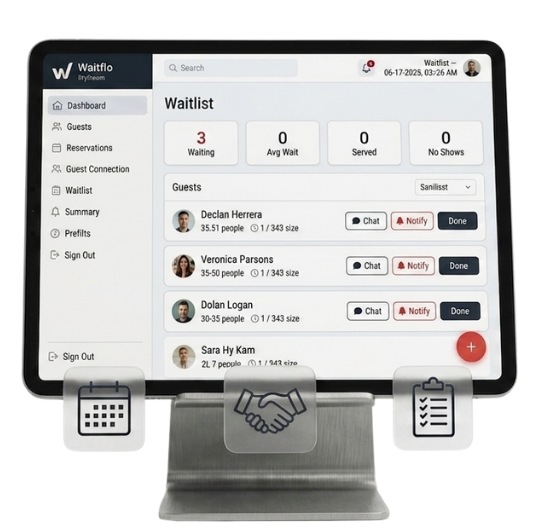
Digital waitlist: A centralized, real-time list that can be accessed from a tablet, computer, or smartphone. Hosts can add, edit, or remove parties, and the order updates automatically.
-
Automated guest notifications: Instead of shouting names, the software sends SMS or push notifications telling guests their table is ready. Many platforms also allow two-way messaging, so guests can reply “on my way” or ask for more time.
-
Table and floor management: Visual maps of the dining room show which tables are occupied, reserved, or being cleaned. The system can suggest the optimal table for the next waiting party based on party size and estimated turn times.
-
Wait time prediction: By analyzing historical data and current table status, the software provides accurate wait estimates displayed to staff and sometimes guests. This builds trust and reduces perceived wait time.
-
QR self check-in: Guests can join the waitlist by scanning a QR code at the entrance or on their phone, eliminating bottlenecks at the host stand and capturing accurate information.
-
Reporting and analytics: Data on average wait times, peak demand periods, no-show rates, and table turn times help managers make informed staffing and operational decisions.
-
Integration with reservations: Many systems combine reservations and walk-in waitlists in one dashboard, preventing double-booking and giving a complete picture of the night’s flow.
Benefits
Adopting waitlist management software delivers measurable benefits that go far beyond less paper clutter.
First, it reduces actual and perceived wait times. Accurate quotes and text notifications allow guests to relax at the bar or outside instead of staring at the door, shrinking the frustration that often leads to walk-outs and bad reviews. Second, it increases table turnover. Hosts can see exactly when a table is being cleaned and seat the next party faster, while automated notifications reduce the lag between a table being ready and guests sitting down. Third, it cuts no-shows. A text reminder is harder to ignore than a shout, and guests who have engaged with a digital check-in are more invested in staying. Fourth, it improves the guest experience, turning a stress point into a modern, respectful interaction. Guests feel valued when they receive a personalized message rather than being herded around a podium. Finally, the data helps run a smarter operation — matching staffing to real demand, identifying slow-turning sections, and recognizing repeat guests.
Who should use it
Waitlist management software is not just for massive chain restaurants with 400-seat dining rooms. Any business that seats guests on a first-come, first-served basis can benefit.
-
Full-service restaurants with a busy dinner rush will find it helps avoid lobby gridlock and keep servers from being triple-sat.
-
Fast-casual and quick-service spots with limited seating can use a waitlist to manage the flow during peak lunch hours, even if the wait is only 10 minutes.
-
Cafés and coffee shops that experience sudden surges can let customers explore a nearby boutique while waiting for a text.
-
Bars and breweries that don’t take reservations can organize walk-in parties and keep tabs on who’s next at a communal table.
-
Hotels and resorts with poolside dining or breakfast buffets can use waitlist features to manage capacity without crowding.
-
Any high-volume hospitality business — from food halls to bowling alleys — that needs to seat or serve people in an orderly fashion will see the value.
If your team has ever lost a guest from a paper list, guessed a wait time wrong by 20 minutes, or had a host buried in phone calls asking “how much longer?”, then your business is a candidate for waitlist management software.
How Waitflo helps
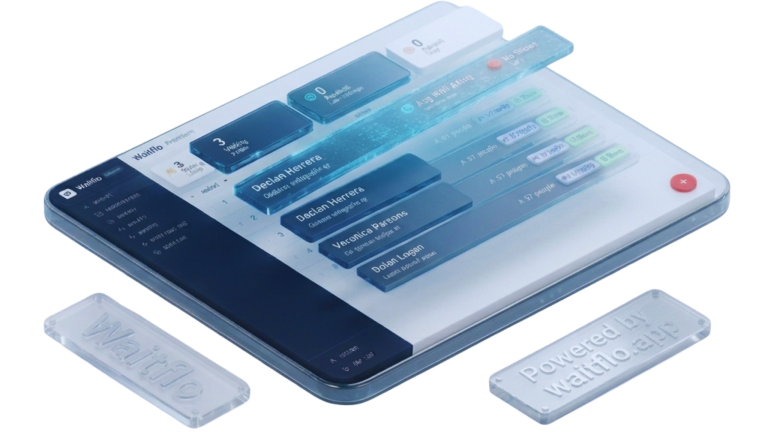
Waitflo is a waitlist management software designed to be simple, affordable, and instantly effective. It turns any tablet into a full-featured digital host stand with real-time waitlist tracking, automated text notifications, and table management — all without requiring complex hardware or long-term contracts. Guests can check in by scanning a QR code, reducing your host’s workload and capturing accurate information from the start. The system provides live wait time estimates, cuts down no-shows with smart reminders, and helps your team turn tables faster. Best of all, Waitflo requires no installation and works on devices you already own, so you can go from paper chaos to digital clarity in minutes, not days.
If you’re ready to eliminate the clipboard and give your guests a wait experience they’ll actually appreciate, you can try Waitflo for free at waitflo.app.